
Gastfreundschaft
Die Residenzorte
Before the first tones could be shaped together, this project required places that were more than mere backdrops. Spaces capable of triggering something within the musicians—not through programming or expectation, but through atmosphere. Two such places were found: Heek and Schwalenberg. Each worked in its own way, not as opposites, but as two different sources of light under which the material shimmered differently.
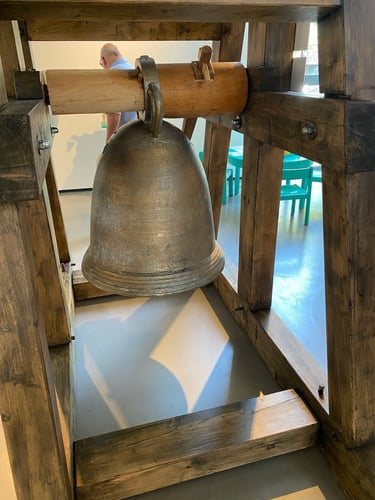
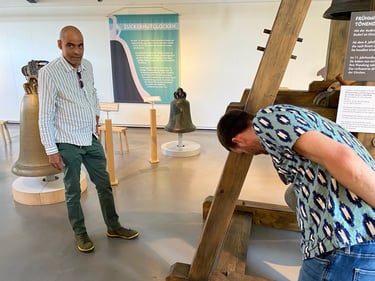
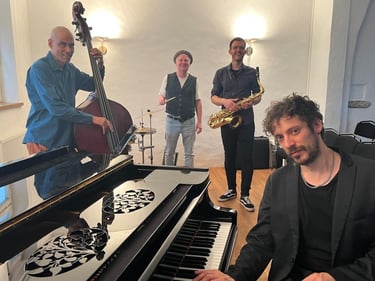
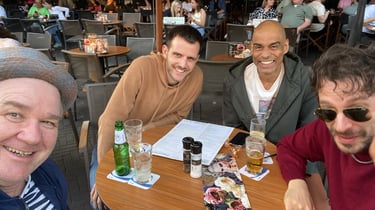
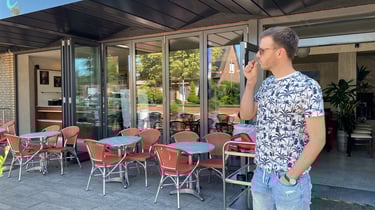
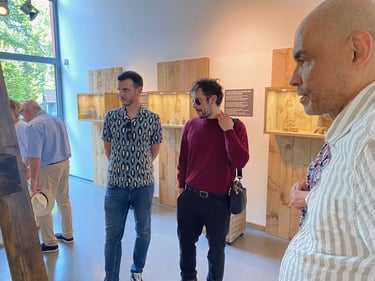
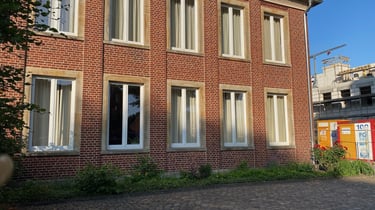
Heek carried within it a stillness that did not insulate, but gathered. The State Academy of Music did not offer seclusion in a romantic sense, but a clarity that made focused work possible. The musicians of the first Jumelage formation—Alberto Arteta, Claudio Vignali, Ugonna Okegwo, Romy Camerun, and myself—found here a sound nourished by concentration: lyrical, transparent, consciously guided. The calm of the place continued within the music, not as restraint, but as a fine control of lines. Equally important, however, were the paths we took together: the visit to the Bell Museum, conversations in restaurants, encounters with people in Enschede that absorbed and reflected Ugonna’s connection to his “soil.” All of this flowed into the music—barely audible, yet tangible—expanding its inner space.
From the outset, it was important to me that the work not end within the walls of the academy. We deliberately took time to experience the surroundings, together or each on their own. There were no rigid working hours, and yet we worked many hours each day well into the evening—carried by an atmosphere that allowed both effort and freedom. In Gescher we visited the Bell Museum; in Enschede and Münster we took time to experience the places themselves. For our guests, these impressions were lasting: the Münsterland revealed itself as a landscape not merely to be traveled through, but to be lived.
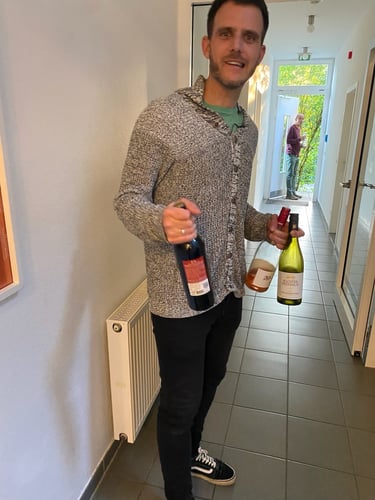
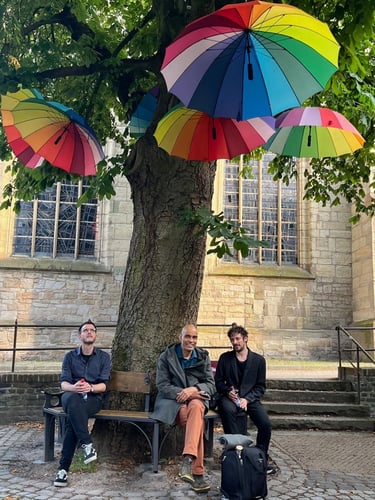
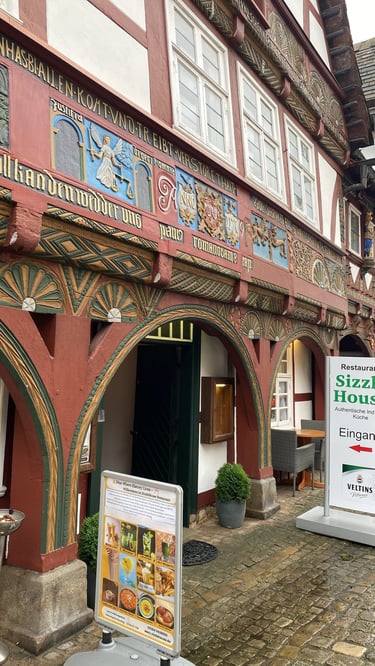
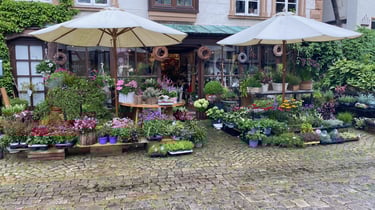
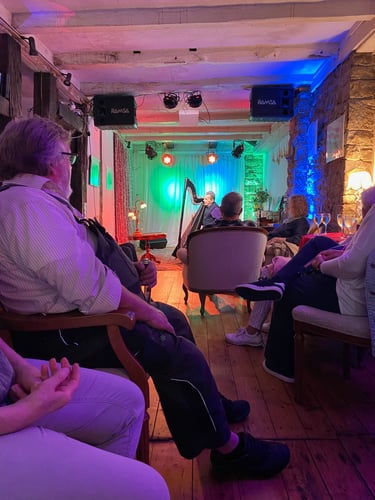
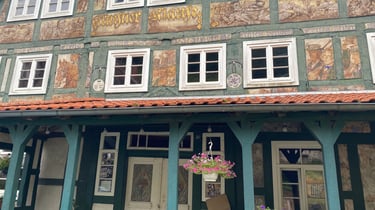
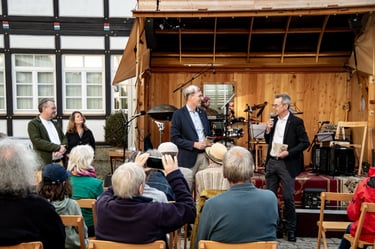
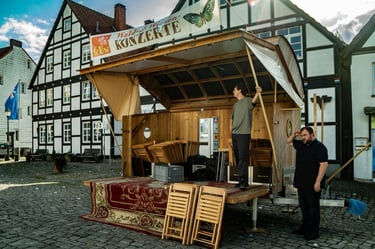
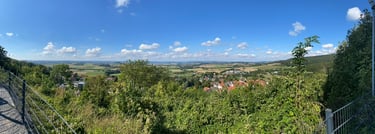
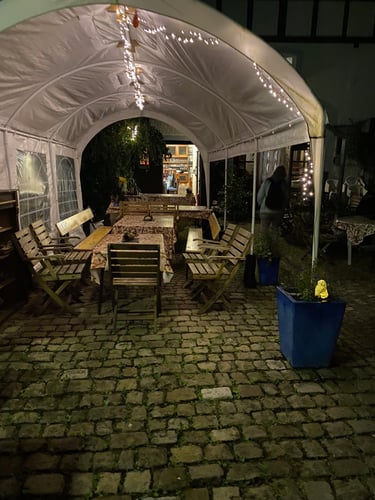
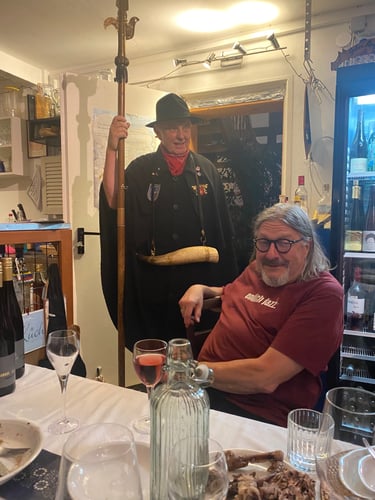
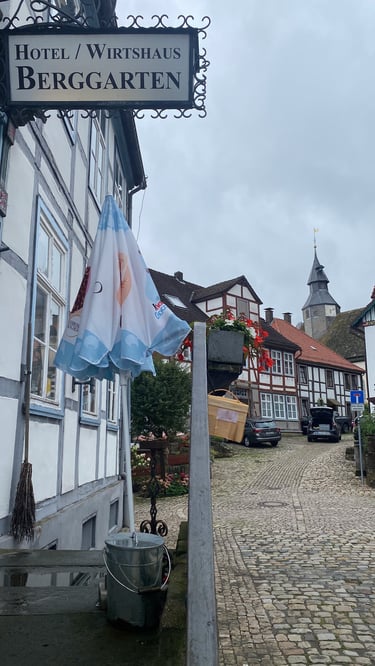
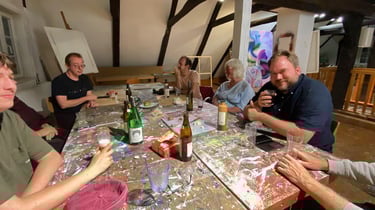
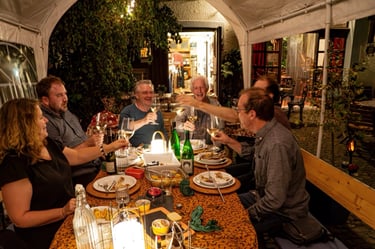
Schwalenberg felt different—not louder, not more colorful, but more open. The artists’ house, the timber-framed farmsteads, the slopes, the light over the valley: all of this created a softer contour in which the second Jumelage ensemble—Kristina Fuchs, Noé Clerc, Fabrice Alleman, and Theo de Jong—found its own distinct voice. Lines emerged here that moved more freely, shaped by the spaciousness of Pat Metheny and by subtle fusion impulses that allowed the material to breathe. We were guests in many houses: at the Pohlhof with its outstanding cuisine and wines, in the Berggarten, at the Malkasten Hotel. Walks through the landscape, the almost Mediterranean warmth of certain days, the openness of the people—all of this created a resonant ground that did not hold the music in place, but let it expand.
Thus, Heek and Schwalenberg were neither opposites nor functional spaces. They were two places that did not impose their effects, but offered them. Two atmospheres that allowed the musicians to listen differently, to play differently, to take risks differently. And within this diversity, an insight emerged: the residency locations are not stages, but part of the work itself. They give the music a color that cannot be composed—only found.

Kontakt: Sebastian Netta - Propsteistrasse 46, 48145 Muenster (GE), Phone +49 172 6611572
Email: netta@wuw-konzerte.de


Jazz-Jumelage is part of: