
Reisen und Begegnungen
Auf der Suche nach Verbündeten
At the beginning there is no finished theme, but a question that detaches itself like a quiet aftersound from the overture: if the old lines long to be set free, who are those who can give them new life without blurring their origins? The search does not begin with a grand gesture, but with a cautious probing within the web of possibilities. I follow traces, listen closely to sound samples, to fragments of conversation, to biographies that, like unheard scores, are waiting to be played.
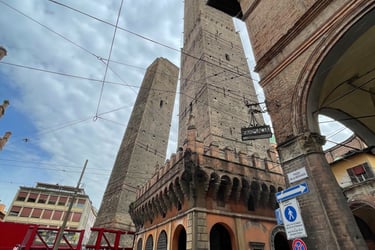
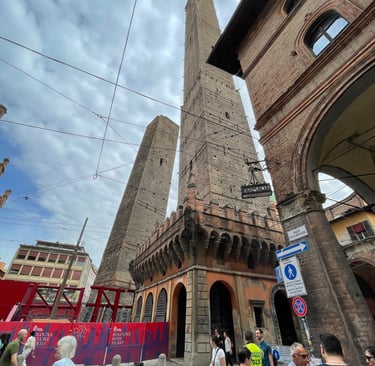
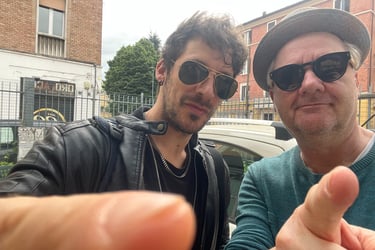
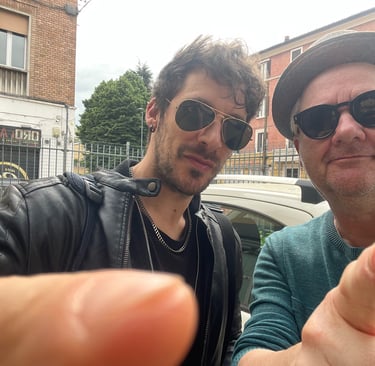
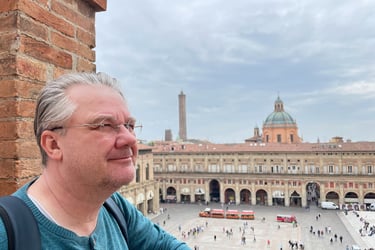
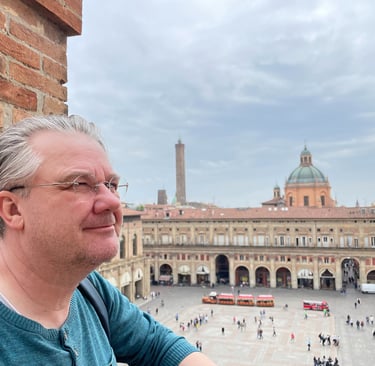
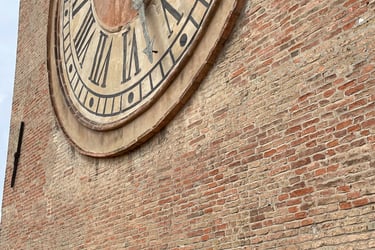
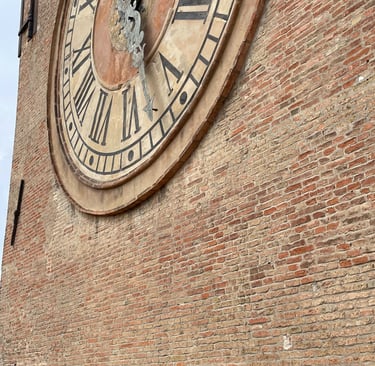
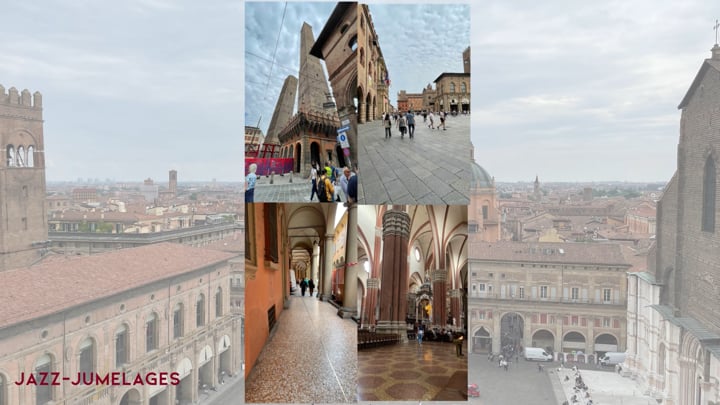
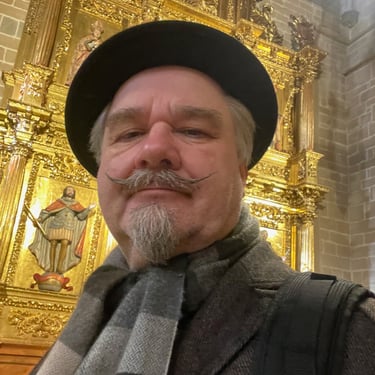
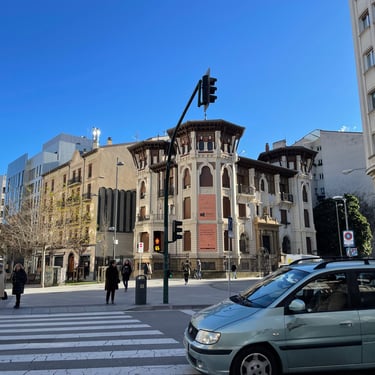
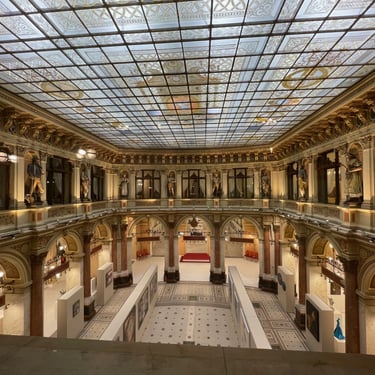
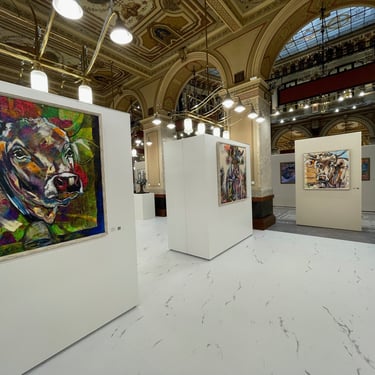
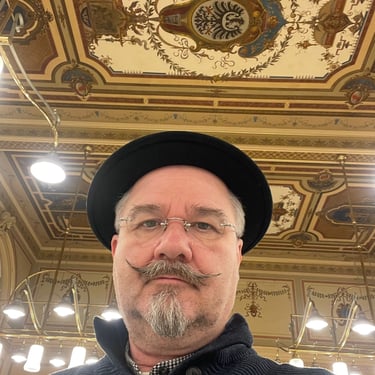
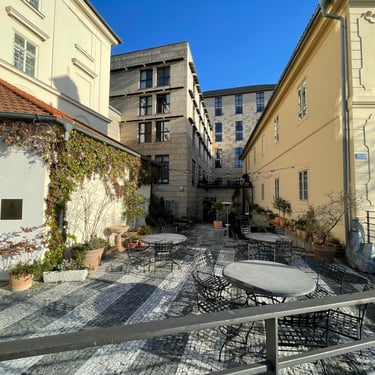
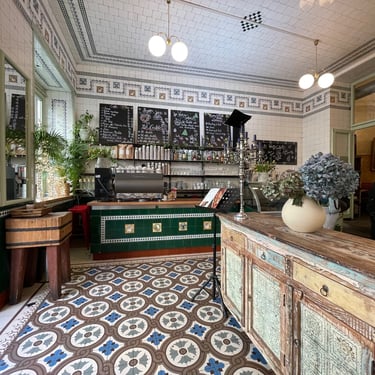
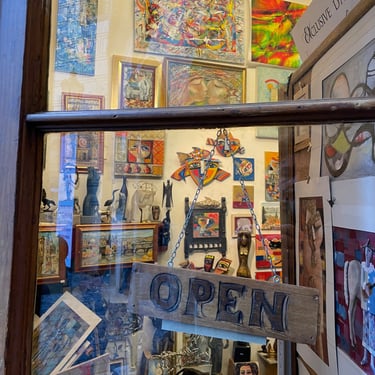
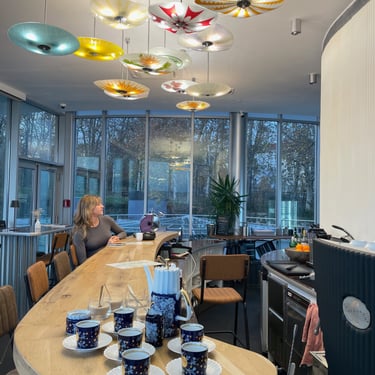
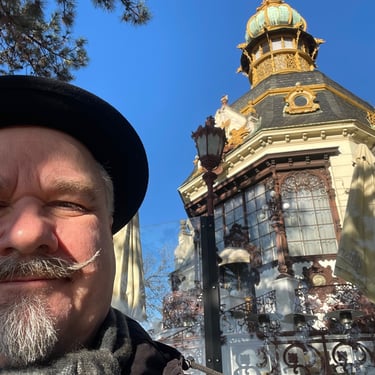
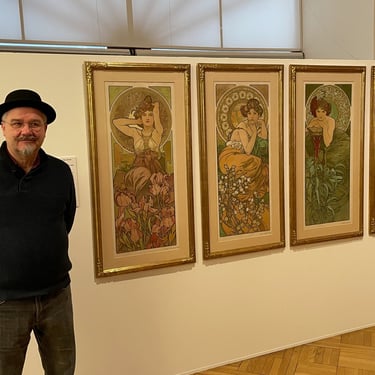
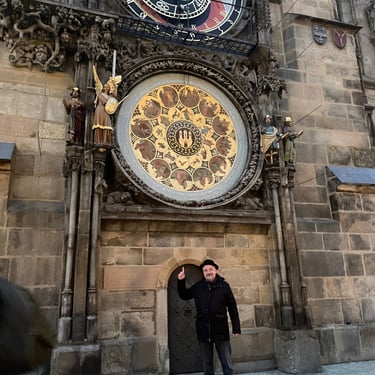
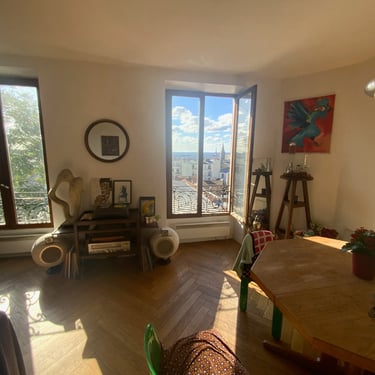
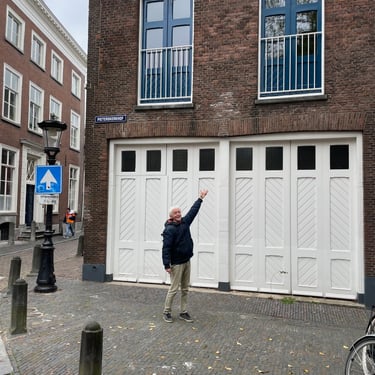
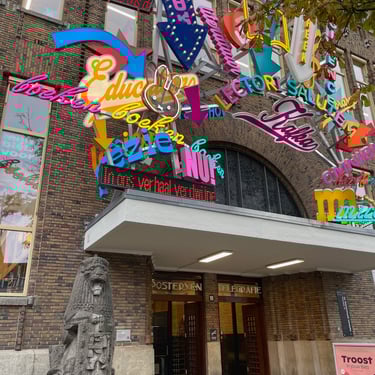
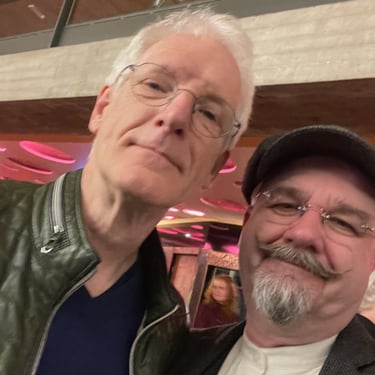
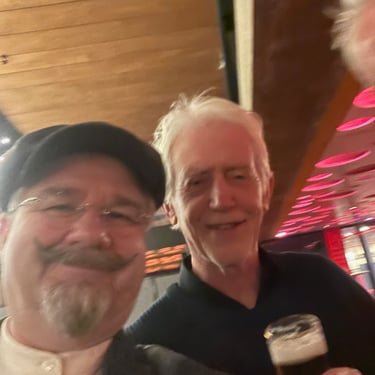
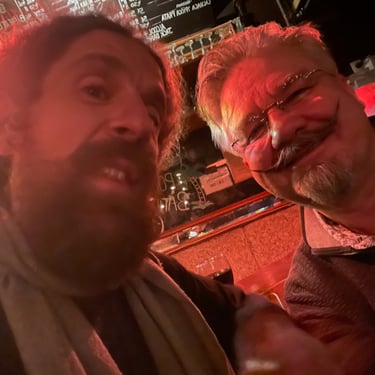
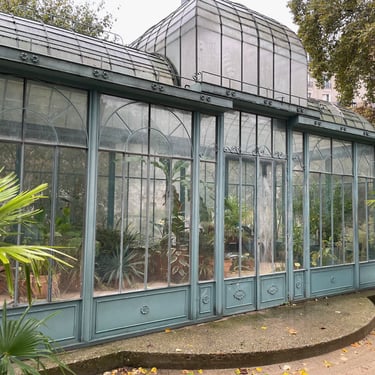
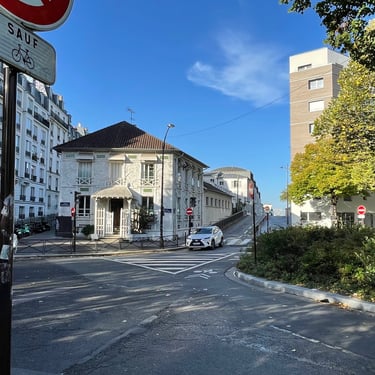
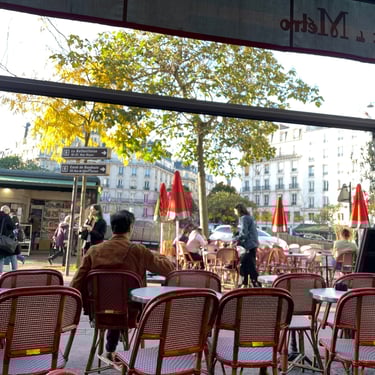
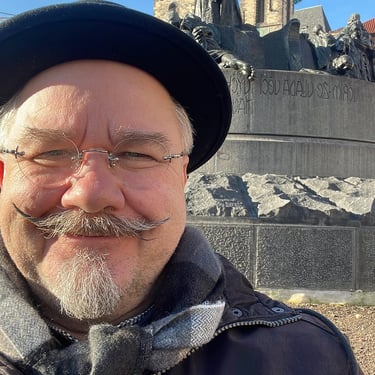
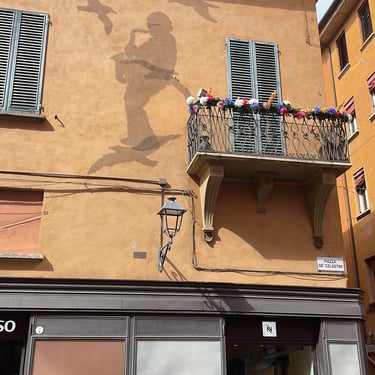
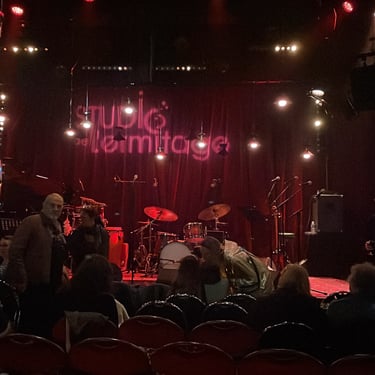
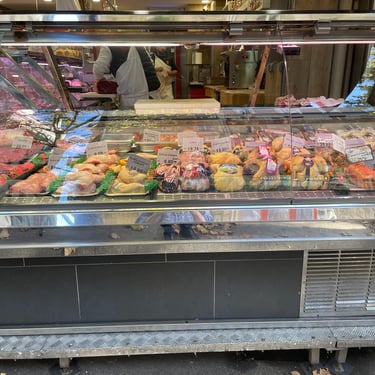
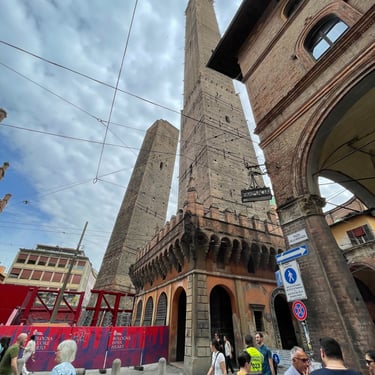
Yet it soon became clear that this search would remain incomplete as long as it stayed purely digital. Music is an art of breathing spaces, and the screen keeps the breath too shallow. So a series of journeys began—five stations, five chambers of resonance:
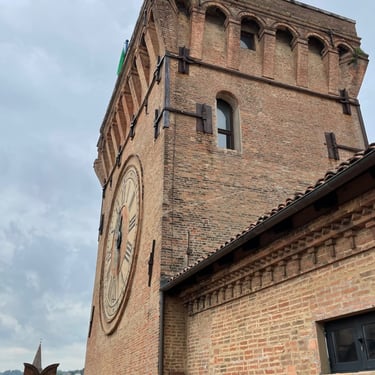
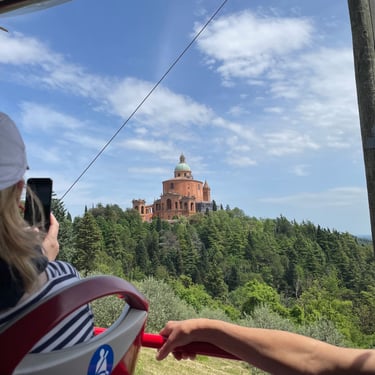
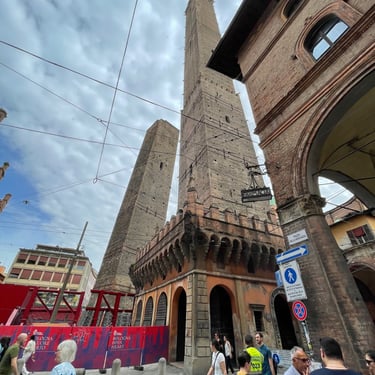
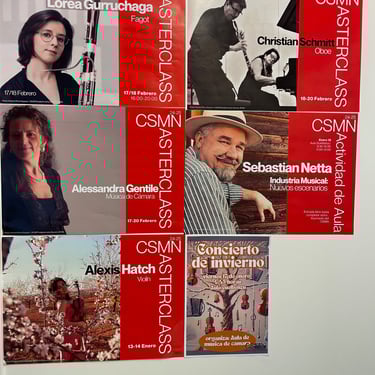
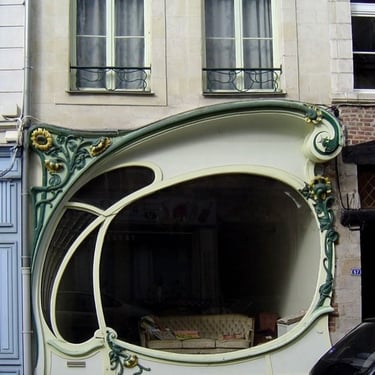
Prague, Paris, Pamplona, Bologna, and Utrecht.
Each city formed its own register, each visit an attempt to hear a person’s vibrations before they play. I did not want merely to meet them, but to experience them: their pulse, their silences, their way of entering a room. Above all, I wanted to make music with them, because only in playing together does it become apparent whether someone truly carries a motif—or merely reproduces it.
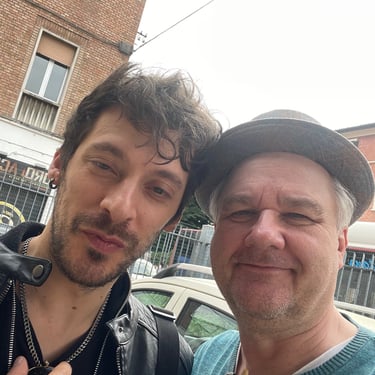
In total, I encountered around thirty-five musicians. Some conversations were pleasant yet left no aftersound; other encounters immediately opened a shared interval, as if the music itself had long since decided. And the further this search progressed, the clearer it became that sheer virtuosity offers no guarantee. A strong ensemble does not arise from skills alone, but from those elusive human qualities that reveal themselves only in direct interaction: the ability to listen without waiting; the gift of leaving space without disappearing; the willingness to remain flexible while still holding a position. Anyone who wishes to work together must not only be compatible, but bring a form of respect that does not remain polite, but becomes creative—a clarity that does not divide, but gathers, and a drive to create that does not displace others, but carries them along.
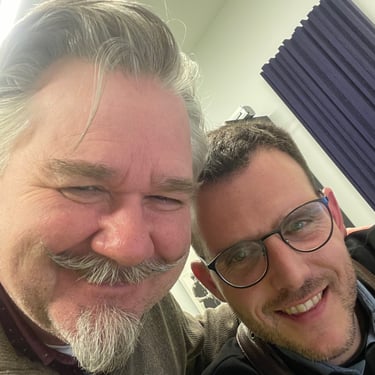
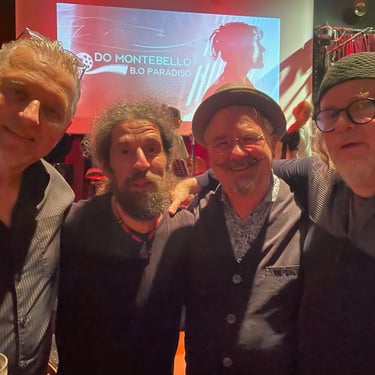
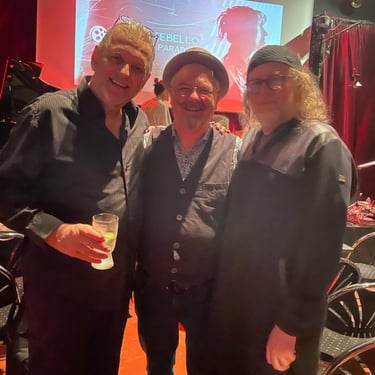
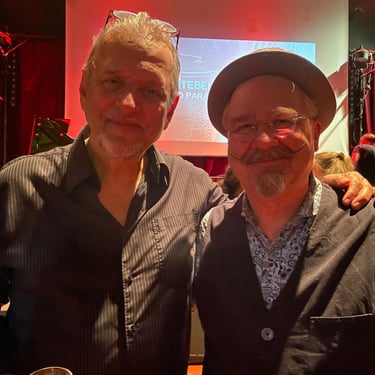
It thus became evident early on that some outstanding musicians nevertheless did not fit into this particular architecture. Others, by contrast—Alberto, Claudio, and Theo—opened an inner space in the very first shared moment, a space in which music is not explained, but experienced. Their presence combined precision with warmth; their approach united openness with determination. In such encounters, an ensemble does not emerge in an organizational sense, but as a weave of trust, curiosity, and mutual resonance.
From many conversations, rehearsals, withdrawals, and renewed approaches, there ultimately grew a constellation that was right not only musically, but humanly: two groups willing to carry together rather than dominate; to integrate themselves without losing their own shape. Thus, from the search emerged a formation capable of giving the old melodies not only sound, but posture and intent. The journey has found its tone. Now the melodies may breathe.



Kontakt: Sebastian Netta - Propsteistrasse 46, 48145 Muenster (GE), Phone +49 172 6611572
Email: netta@wuw-konzerte.de


Jazz-Jumelage is part of: